When tobacco leaves are harvested from the field, they must undergo an energy-intensive drying process, known as curing. This usually takes place in a specialized barn where heated air is circulated to extract moisture from the tobacco leaves. Coal and wood are the most common fuels used in the curing process, which takes roughly one week. Wood is the most accessible fuel, as coal and electricity are beyond the means of most farmers, but it is far less efficient than coal, so a greater abundance is required to complete the curing process. The majority of smallholder tobacco farmers rely solely on firewood to cure their tobacco, and consequently turn to degrading indigenous forests to meet their fuelwood needs. The increase in smallholder tobacco farming in recent years has only served to exacerbate the problem. A smallholder farmer produces up to 1,400 kilograms of tobacco per hectare and needs seven tons of firewood to cure his or her crop. Cumulatively, smallholder tobacco farmers must cut about 5.3 million trees every year to support tobacco production in Zimbabwe, (WHO 2012)
Tobacco Farming: a driver of deforestation, Food insecurity and an arsenal of healthy problems
1. Deforestation
- In order to provide wood for tobacco curing – from 2005 to 2011, Zimbabwe endured a decline of about 312,900 hectares in forest cover
- Loss of ecosystem services & long term change to the local ecosystems – many of the native forests in Zimbabwe are old growth, ranging in age between 75 and 150 years, meaning that deforestation creates long-term changes in local ecosystems and available ecosystem services (e.g. fruits, oxygen and conditions regulation),(FAO – )
- Substantial soil erosion – “gukuravhu”
2. Health Impacts
- High residues of persistent organic pollutants (POPs) in local soil and water systems from heavy application of chemicals which pose high risk for humans as they can easily enter the human body through the skin, nose, or ingestion. Once used, they remain in soil, sediment, fish fat, animals, and vegetables. Exposure to chemicals used in tobacco farming and curing such as tamaron are all linked to reproductive failure, deformities, cancer, and immune system disruption. Washington DC: Campaign for Tobacco Free Kids, 2001:
3. Food insecurity
- Changes in land-use & food insecurity- land that might otherwise be used to produce food for local people is being dedicated to a crop that makes cigarettes and other tobacco products. Tobacco is furthermore an export crop that does not contribute to food security in a highly food insecure country. (Arcury TA and Quandt SA – 2006)
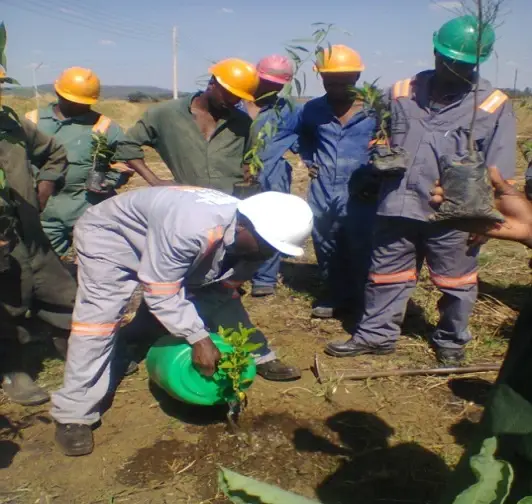
ENVIRONMENTAL CONSERVATION TOBACCO FARMING SOLUTIONS
- Integrating farming into standing forests to avoid cutting down trees
- Go for techniques such as soil turning, crop diversification and livestock rearing
- Compliment chemical inputs with biomass, animal manure & compost to improve water retention, reduce erosion, and soil fertility
- Natural pest control – maximize agroforestry – introduce plant diversity, which is considered among the more effective ways to maintain the ecological balance that keeps pest populations in check.
- Establish tree nurseries & plantations: undertaking tree nursery management as an income diversification strategy and an environmental restoration exercise.
- Get technical advice from Windmill – “the green that you know towards resource use and environmental conservation”
- Diversified farming as an alternative to growing tobacco